Green Initiatives: How E-Waste Recycling Services Are Protecting Our Planet
E-waste poses significant threats to the environment, as abandoned electronic devices commonly carry harmful materials. Such dangerous compounds can pollute soil and water supplies, leading to broader ecological damage. E-waste recycling services present a viable solution. They not only recover valuable resources but also mitigate pollution. Comprehending the operation of these services and their influence on communities is of great importance. Pursuing efficient e-waste management brings forth pressing questions regarding individual duties and shared responsibility. What measures can be pursued from this point onward?
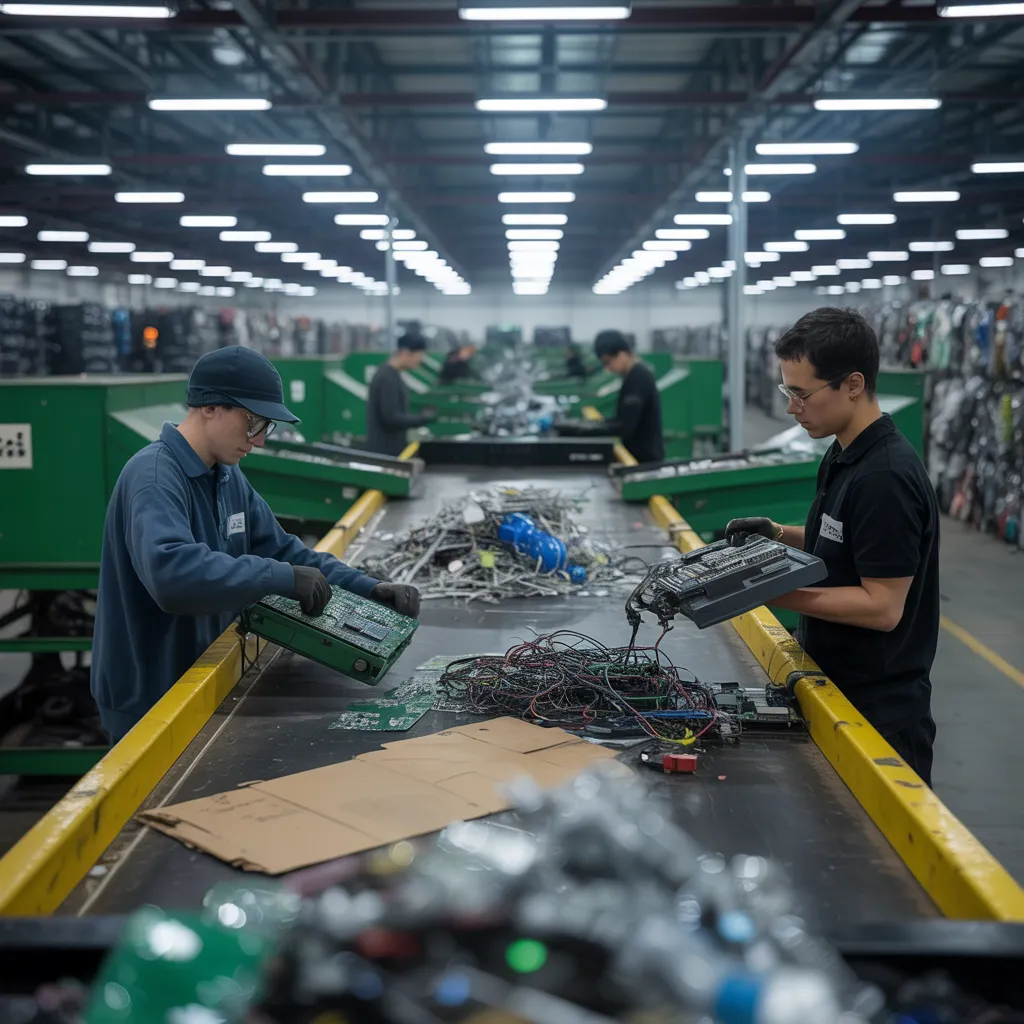
How E-Waste Is Hurting the Planet
While technological advancements improve contemporary living, e-waste poses serious threats to the environment. Discarded electronic devices, commonly laden with hazardous materials such as cadmium, lead, and mercury, may release harmful substances into soil and groundwater, presenting dangers to human health and ecosystems. The accelerating rate of technological innovation contributes to greater consumer replacement of electronic devices, worsening the buildup of e-waste.
Landfills, already burdened with waste, struggle to accommodate the growing volumes of discarded gadgets. Incineration, another disposal method, releases harmful pollutants into the atmosphere, contributing to air quality degradation. Furthermore, inadequate recycling methods can result in the shipment of electronic waste to underdeveloped nations, where workers may break down equipment without proper protective measures, putting themselves at risk of exposure to hazardous materials. This pattern of negligence and mismanagement highlights the critical demand for eco-friendly recycling alternatives that can reduce the damaging impact of electronic waste on the environment.
Understanding E-Waste and Its Significance
Electronic waste, commonly known as e-waste, includes unwanted electronic equipment like televisions, computers, and smartphones that are no longer functional or needed. This rapidly expanding waste category is noteworthy because of its swift buildup, driven by technological advancements and consumer trends. As more devices become obsolete, the toll on the environment grows more severe, with toxic materials such as lead, mercury, and cadmium posing risks to ecosystems and human health.
Addressing e-waste is crucial not only for reducing these dangers but also for acknowledging the precious materials found within it. Valuable metals and rare earth materials can be extracted and repurposed, lessening the demand for mining and preserving natural resources. By understanding e-waste and its implications, individuals and organizations can make informed decisions about disposal and recycling, ultimately contributing to a more sustainable future. Responsible management of e-waste plays a key role in supporting a circular economy and championing environmental stewardship.
How the E-Waste Recycling Process Works
E-waste recycling entails a systematic process designed to recover valuable materials while limiting ecological damage. To begin, discarded electronics are retrieved and sent to dedicated processing centers. After reaching the facility, the devices undergo thorough sorting to separate hazardous components from recyclable materials.
Subsequently, workers take apart the products, recovering plastics, metals, and glass. This stage is crucial, as it allows for the reclamation of rare metals like copper, gold, and silver, which may be utilized in new electronic devices.
Following this, the isolated materials are treated through sophisticated techniques, such as chemical treatments and shredding, to purify them for repurposing.
Ultimately, the residual hazardous materials are disposed of responsibly, adhering to eco-friendly standards. This systematic method not only saves important resources but also minimizes the hazards connected to irresponsible electronic waste disposal, securing a more eco-conscious future for the consumption of electronics.
The Benefits of E-Waste Recycling for You and Your Community
While many individuals may not realize it, the benefits of e-waste recycling reach well past personal use to meaningfully influence entire communities. By carefully processing electronic waste, individuals play a role in creating a safer environment, decreasing toxic components that can leach into soil and water. This proactive approach actively safeguards local ecosystems and supports public health.
In addition, e-waste recycling promotes workforce growth within communities. Regional recycling centers frequently need staff for diverse activities, spanning collection through processing, therefore offering work opportunities for community members. This not only enhances the community economy but also promotes community participation in sustainable initiatives.
Furthermore, awareness of e-waste recycling may result in community outreach programs, enabling residents to adopt eco-friendly choices. By enrolling in e-waste recycling programs, individuals cultivate a culture of sustainability, inspiring others to do the same. Ultimately, the cumulative impact of these actions can contribute to a more resilient and environmentally responsible community.
How to Choose an E-Waste Recycling Service
Picking the right electronic waste recycling provider is vital for ensuring that e-waste is handled in a responsible and sustainable manner. To begin, people should confirm the service's certifications, such as R2 or e-Stewards, which signify adherence to professional guidelines for responsible recycling methods. It is equally important to examine the company's standing by checking reviews and obtaining recommendations from trusted sources.
Furthermore, transparency in the recycling process is vital. A reliable provider should offer detailed insights about how e-waste is processed and how the materials are utilized. Additionally, considering the scope of services provided can prove valuable; some companies may provide pickup services or offer incentives for recycling.
Finally, understanding area-specific requirements for e-waste disposal can additionally influence the selection process. By prioritizing these factors, consumers can play a role in efficient electronic waste handling as well as promoting sustainable environmental efforts.
How You Can Get Involved in E-Waste Recycling?
Engaging in e-waste recycling often starts at the local level, where recycling centers often provide essential services for proper disposal. Moreover, participating in community awareness campaigns can strengthen efforts to inform others regarding the importance of responsible e-waste management. These initiatives not only promote sustainability but also cultivate a collective sense of accountability for the environment.
Local Recycling Centers
Several local recycling centers fulfill a critical purpose in the recycling of e-waste, giving communities practical solutions to manage electronic waste appropriately. These facilities handle a range of digital devices, including aging computers, cell phones, and television sets, guaranteeing that dangerous substances are processed safely. Most centers are equipped with trained staff who are able to assist individuals with correct disposal techniques, emphasizing the importance of recycling over landfilling. In addition, many centers offer planned drop-off gatherings or set collection days, allowing residents to take part with ease. By engaging with these local facilities, individuals contribute to a circular economy, lowering environmental harm and encouraging sustainable habits. Connecting with these stations empowers communities to take action against e-waste pollution effectively.
Community Education Campaigns
Local organizations, schools, and businesses can collaborate to host events that promote e-waste collection drives. Dedicated participants can take a leading part in promoting knowledge, handing out educational content, and interacting with the surrounding community. As a result of these Read the article combined actions, community members grow more knowledgeable and inspired to dispose of their electronics responsibly, ultimately contributing to a more sustainable future.
Common Questions and Answers
What Electronic Devices Are Eligible for Recycling?
Many different electronics can be recycled, including smartphones, computers, laptops, televisions, printers, and gaming consoles. Furthermore, peripherals such as mice, keyboards, and batteries are well-suited for recycling, supporting eco-friendly conservation initiatives.
Are There Fees Involved With E-Waste Recycling?
Indeed, e-waste disposal sometimes comes with fees, depending on the provider. Some service centers apply costs for gathering or treatment, while others offer free services, frequently supported by the sale of reclaimed components.
How Do Businesses Gain From E-Waste Recycling?
Businesses can benefit from e-waste recycling by reducing disposal costs, improving their green reputation, adhering to regulatory requirements, recovering valuable materials, and possibly earning income through resale, ultimately contributing to a more sustainable operational strategy.
What Happens to Data on Recycled Devices?
Details regarding repurposed equipment is often permanently erased or destroyed during processing. This ensures private details stays protected, preventing unauthorized access while enabling resources to be repurposed carefully and ethically within new applications.
Is It Possible to Recycle Damaged Electronics?
Yes, damaged electronics may be recycled. Numerous collection points receive defective devices, guaranteeing safe disposal and recovery of precious materials. This helps lower harm to the environment while supporting eco-friendly recycling methods to handle electrical waste properly.